
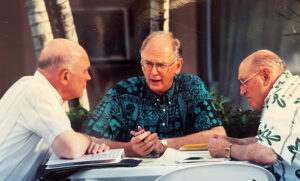
One of the Polynesian Cultural Center’s better sales account executives was never on the payroll, although for approximately 12 years, he heavily promoted the PCC, accompanied sales and marketing as well as promo team members to travel trade shows, and visited travel agents in their offices across the U.S., including Alaska, at his own expense.
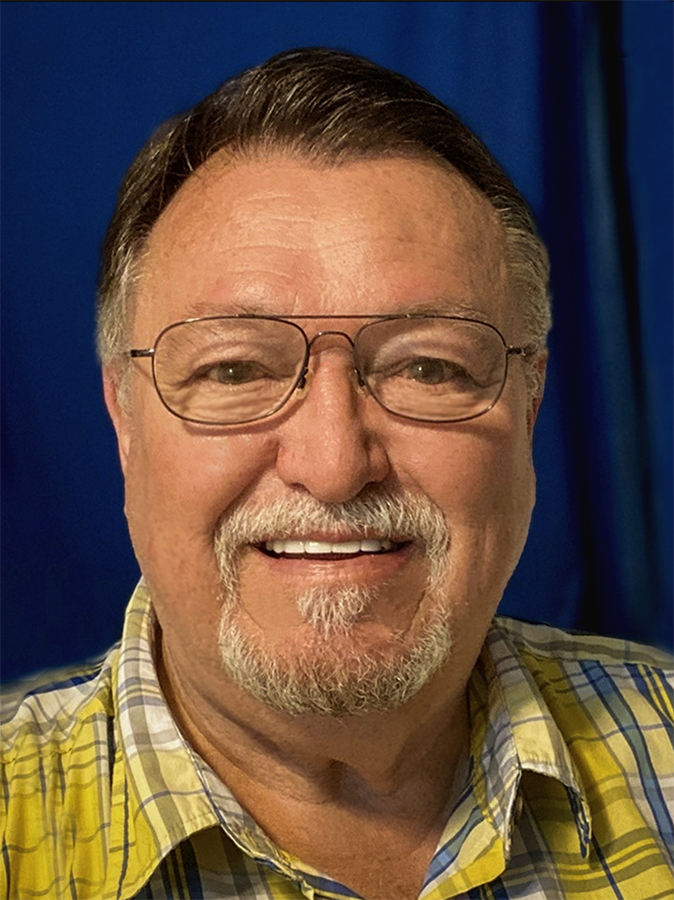
Many PCC and BYU–Hawaii alumni still remember Craig Huish, who for almost its last 12 years was general manager of the 49-room Laie Inn. Shortly before it was demolished in 1992, Huish and his family moved from Kahuku to Orem, Utah, where among other things, he taught and promoted hospitality industry classes at Utah Valley University for another decade before retiring.
The Laniloa Lodge also went by other names over the years since the Church first built and opened it in 1964. For example before 9-11, the lodge was known as the Rodeway Inn Hukilau Resort (with the Choice Hotels franchise), which was eventually shortened to the Laie Inn. Its buildings were part of a commercial complex makai of the PCC that also included:
Prior to working in the hotel industry, Huish was heavily involved in culinary services, including the dining services at the Missionary Training Center in Provo, as well as several large companies in northern Nevada. He also headed BYU–Hawaiiʻs food services operation for several years, and was eventually succeeded by David Keala. During most of those years, his wife, Elaine Huish, worked at the BYUH Bookstore, and their two daughters — Trudianne and Lani Huish — were Red Raiders for life at Kahuku High. (Trudianne now works for an agricultural insurance business in the western U.S., and Lani worked in health services, and is now involved in wholesale merchandise promotions and inventory control services).
Originally from southern Arizona, Craig first attended CCH for a year in the late 1960s. After going back to Arizona for a year, he returned to Laie for another year during that time he was a member of the Travelling Assembly group, then served a mission in Uruguay before graduating from BYU.
Out of school, Huish worked in culinary services in northern Nevada, and then Sam Brooks brought him back to BYUH to operate food services, which eventually led to his position at the Lodge.
“Elder Joseph B. Wirthlin of the Twelve was my supervisor. In those days, he and Elder Oaks — now President Oaks — were also on the Polynesian Cultural Centerʻs board of directors, and Elder Wirthlin asked me to help the PCC however I could,” Craig recalled. (General Authorities were eventually removed from Church-related for-profit company activities.)
“To do that, we put a lot of packages together with the night show for our guests, or the luau and a hotel night stay,” he continued. “We would also host lots of visiting General Authorities, which meant we had the lodge as nicely fixed and furnished as possible in those days. Church members also stayed here for temple excursions and BYUH graduations. A lot of kama‘āina also liked staying here, and weʻd have pool parties and barbecues for them.”
“For example, the Tongan Ward from Lāhaina would come once a year on a temple excursion, and they’d trim our coconut trees. I’d either give them free rooms or a deep discount for doing all those trees. That was quite a job.”
Huish and the Lodge were also very involved with special events at the PCC. For example, “We were a principal sponsor for the early World Fireknife Championship events. We also hosted the Tjapukai Aboriginal group from Australia when they did a special firewalker event at the PCC, as well asJunior Ah Youʻs annual New Yearʻs day event for years,” Huish said. “I was actually a member of the PCC special events committee.”
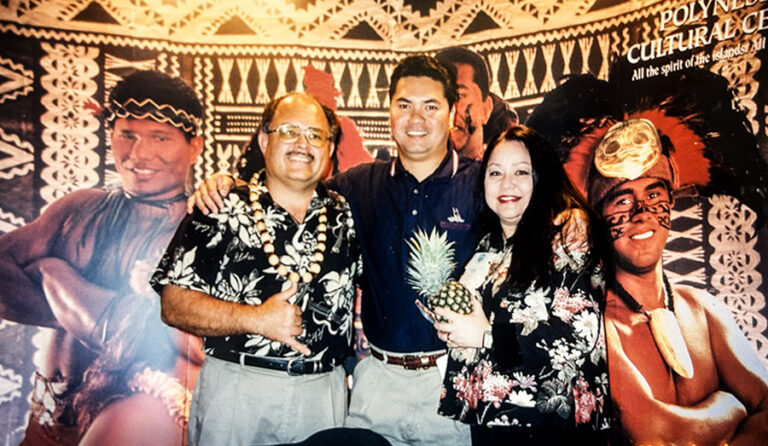
“Of course, from the beginning I had both food and sales in my ʻblood,ʻ and so Alfred Grace (who was then PCC director of westbound sales),Francis Ho Ching, and Moa Mahe and I used to travel together to various trade shows and events. Moa was representing the PCC and Alamo Rental Car then, and weʻd travel together. For example, we would either go to the Morris Murdock travel shows on the mainland, or weʻd visit travel agents. Twice a year Iʻd also go to the mainland or the neighbor islands, and even represent the PCC when I went to Alaska each September.”
“But the travel industry really suffered after the 9-11 terrorist attacks. Lots of travel agencies shut down, but even then, there was talk about eventually replacing the lodge,” Huish said.
By 2004, Huish relocated to Orem, and his assistant, Bonnie Leatigaga from Kahuku, actually oversaw the shut-down, while he went to work with BYUH alumnus Doug Miller in the hospitality management program at Utah Valley University for 10 years.
“When they came and said, Craig, we’re going to change your program. We want to go all online. You have to start converting your classes to online, I told them, you don’t teach hospitality management online. Itʻs belly to belly, face to face. I polled the students, and they didn’t want online classes.”
“Yeah, live classes. I had a lot of experience, and that was the main compliment I got as a professor: I taught real-life experience in hospitality youcouldnʻt give them out of a case study in the back of a book.”
At that point Huish left UVU and worked for a few summers for the Utah Division of Parks and Recreation at the Deer Creek Reservoir gate, “and then I pulled the plug. We still live in Orem, but we have a winter home now in St. George, so I guess we’re snow birds, although I hate that term.”
What does he miss, or doesnʻt miss? Huish said he certainly doesn’t miss the PCCʻs heavy display cases we traveled with and had to haul around; and he particularly remembers the first time he flew out of Honolulu one January when the temperature was like 80, but it was 20-below-zero when he got to Minot, North Dakota, “and I didnʻt have a coat.”
“Oh, and I still love to go hunting and fishing, and cook everything I catch,” he added.
Your comment has been submitted for administrator approval.
Your comment was not saved. Please try again.
No comments yet.