PCC updates its plans for Iosepa and its Hawaiian sailing canoes
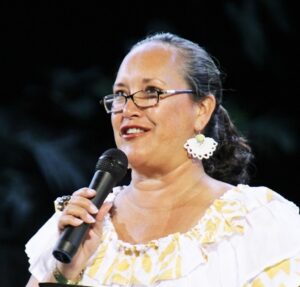
Tagaloataoa Delsa Moe, PCC VP of Cultural Presentations, shared the following update on Iosepa as the summer 2026 sailing season approaches, and related announcements.

Tagaloataoa Delsa Moe, PCC VP of Cultural Presentations, shared the following update on Iosepa as the summer 2026 sailing season approaches, and related announcements.

According to Aloha State Daily online news, Mark Ellis, PCC Director for Voyaging Experiences centered on the 57-foot waʻa kaulua (twin-hulled voyaging canoe) Iosepa thatʻs permanently berthed at the Polynesian Cultural Centerʻs Hawaiian Village, is also participating as the Polynesian Voyaging Societyʻs education director in the annual Kualoa/Hakipu‘u Canoe Festival on March 7, 2026, from 10 a.m. to 3 p.m. at the far makai end of Kualoa Regional Park.

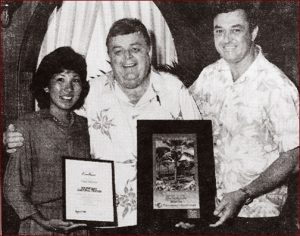
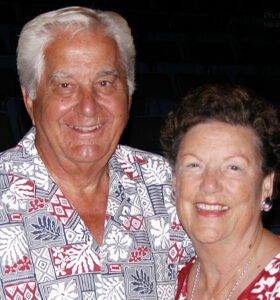
Laie Inn manager Craig Huish played a key role in promoting the Polynesian Cultural Center for 12 years.

The Polynesian Football Hall of Fame inducts its Class of 2026 at the Polynesian Cultural Center.

From the Ensign Magazine (July 1994): Alton Wade, who was then president of BYU–Hawaii, and had previously served as superintendent at the former Church College of New Zealand and then oversaw hiring of Church Educational System faculty and staff for South Pacific schools, explained, explained President David O. McKayʻs foretelling that “millions” would visit Laie.

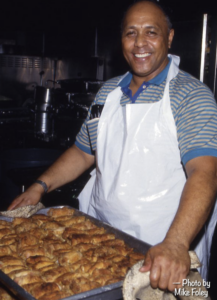
Mike (Mikaele) Foley shares several stories of how his retail team once almost burned down a PCC gift shop in the 1990s, and another when his stage crew almost blew up the Hale Aloha in the late 1960s. What? Click on the picture to keep reading.

Soon after the Center opened in 1963, the Church built a modest 49-room hotel practically in the parking lot. Along with a restaurant and service station, it served thousands of guests and local residents until it was demolished in 2010 (to make way for a 220-room replacement that opened in 2015)

Aunty Dora, who was still dancing hula in her 80s, started learn from kumu Kela Millerʻs great-grandmother as a girl in Laie.

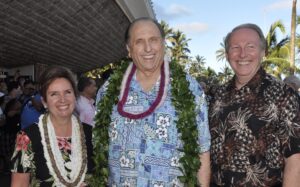
Earl Cropper’s life reflects a deep connection to Hawaiʻi, education, and service. After serving a mission in Hawaiʻi (1962–64), he enrolled at Church College of Hawaii and worked in the early days of the Polynesian Cultural Center. A former student body president, Earl built a career and family in Utah while giving back generously through the Matthew Cowley Society, believing education transforms families, communities, and future generations.