Happy Return
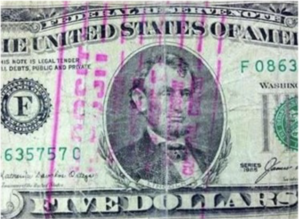
A forgotten $5 bill, kept for decades, carried more than monetary value. When it was quietly returned to the Polynesian Cultural Center, it revealed a promise, a love story, and a meaning far deeper than anyone expected.

A forgotten $5 bill, kept for decades, carried more than monetary value. When it was quietly returned to the Polynesian Cultural Center, it revealed a promise, a love story, and a meaning far deeper than anyone expected.

A late night, a crowded courtyard, and an unexpected poke stopped everything. What a 92-year-old grandmother whispered next—followed by a raised cane and contagious laughter—left a lesson that stayed long after the night ended.

A shy little girl. A tangled headband. One quiet moment that changed everything. What happened next—without a shared language—left everyone smiling, and revealed a simple truth about kindness you won’t expect.

In the early 1960s as a missionary in Sāmata, Savai‘i, I once joined a high chief for breakfast, served *sua pusi*—moray eel cooked in coconut milk. A guest refused to eat, noting that not even flies would land on it. Later that day, a truckload of villagers was rushed to the hospital with food poisoning from that same eel. My companion and I, protected by the Lord’s promise, felt no sickness at all. I’ve never eaten eel again.

Early mornings at the Polynesian Cultural Center are my favorite times of the day.

It truly is a privilege to be associated with this very special place, and although I am unworthy, I am truly grateful to be able to be a small part of it each and every day.

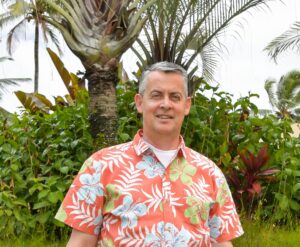
In the early 1960s, while serving in the Sāmoa Apia Mission, Elder Ron Haymore helped fulfill a unique request from the Polynesian Cultural Center—to acquire authentic ‘afa, the coconut fiber cordage traditionally used to lash wooden structures. Under Mission President John Phillip Hanks’ direction, Elder Haymore traveled across Upolu with local matai, visiting villages and gathering coils of ‘afa. His small but meaningful effort became part of the PCC’s early construction legacy, connecting craftsmanship and culture across the Pacific.

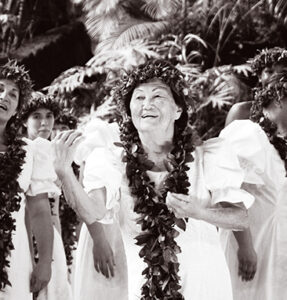
Over 200 former members of the Polynesian Cultural Center’s hālau hula, Hui Ho‘oulu Aloha, gathered in Laie on August 16, 2025, for a heartfelt reunion celebrating over 40 years of hula legacy. Founded in the early 1980s under kumu hula Cy Bridges, Keith Awai, Enoka Kaina, and “Uncle Bill” Wallace III, the group once competed at Merrie Monarch and other festivals. The reunion, filled with song, stories, and impromptu hula, honored past members and rekindled cherished bonds.

Labor missionary Percy TeHira, a New Zealand Māori who also previously served as a labor missionary in New Zealand, paints traditional kowhaiwhai designs on the window frames of the meeting house in the Polynesian Cultural Centerʻs Maori Village. in 1963. (Photo courtesy of the BYU–Hawaii Archives)